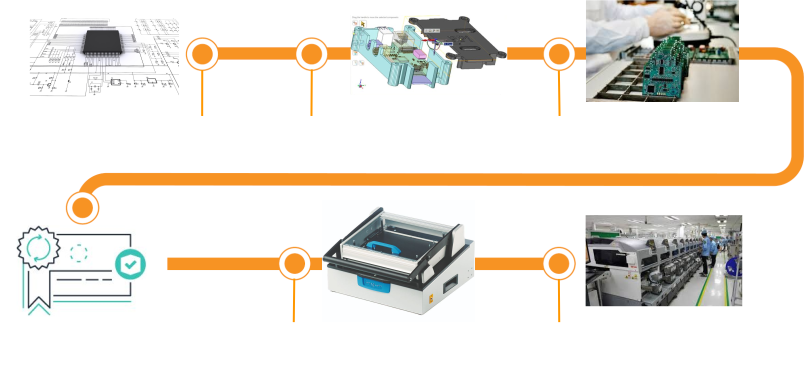
Aerospace
Avionics, sensor suites, ground support equipment. IPC Class 3, extended thermal range, conformal coating, 15+ year lifecycles.
We redesign electronic products so our clients meet the EU Cyber Resilience Act by December 2027 — from hardware and firmware to SBOM, vulnerability handling, and conformity assessment.
Regulation (EU) 2024/2847 makes cybersecurity a placement condition for every product with digital elements sold in the EU — from consumer IoT to industrial controllers and networked machinery. Compliance requires secure-by-design hardware and firmware, a machine-readable SBOM, a documented vulnerability-handling process, and a formal conformity assessment.
We are a Swiss engineering partner that re-engineers our clients' electronic products to meet the CRA without compromising cost, performance, or time-to-market. We work at every layer of the product — silicon selection, PCB, firmware, supply-chain documentation — and we certify to IPC Class 3 when reliability matters most.
Most products placed on the EU market today do not meet Annex I. The path to compliance is rarely a drop-in patch: it is a disciplined redesign of root of trust, secure update, cryptographic services, interface hardening, logging, and a vulnerability-handling process that operates across the declared support period.
We start with a gap assessment against Annex I § 1 and § 2, then deliver a roadmap that keeps your product on the shelf. Where high reliability is required — aerospace, defense, medical, critical infrastructure — we design to IPC Class 3 standards and J-STD-001 soldering, backed by documented IPC training.
Root of trust, secure boot, signed firmware, cryptographic accelerators, attack-surface reduction — built into the silicon choice and schematic, not bolted on late.
Machine-readable SBOM (SPDX / CycloneDX), PSIRT workflow, 24 h / 72 h / 14 d reporting plumbing to ENISA, declared support period governance.
IPC-certified design for Class 3 electronics — IPC-A-610, IPC-6012, J-STD-001, IPC-2221 — with deep experience in aerospace and defense environments.
Each design below is a production-tested platform we engineered in-house — proof of our PCB and firmware capability.
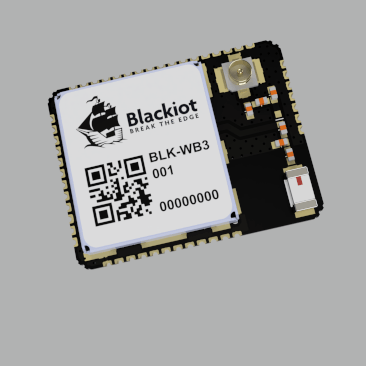
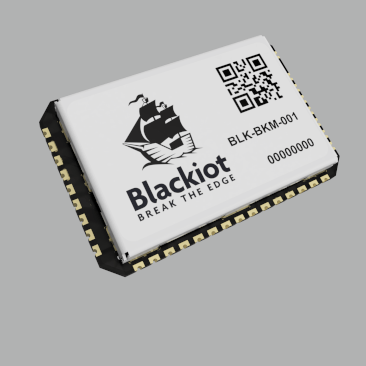
2.4 GHz BLE 5.2 / Thread / Zigbee SOM on STM32WB dual-core. Production-tested wireless reference design.
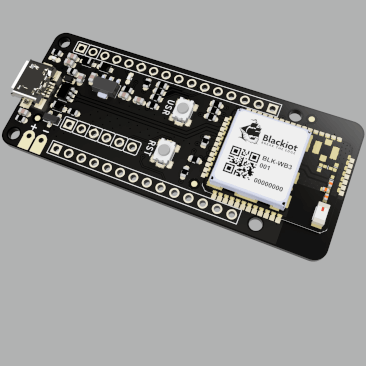
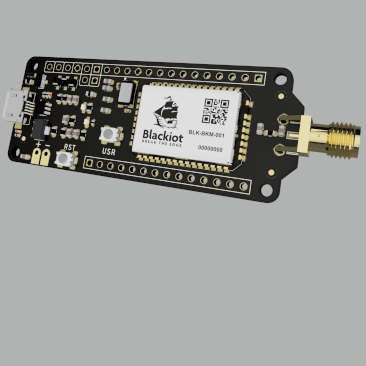
MKR-form evaluation carrier for the WildBay platform.
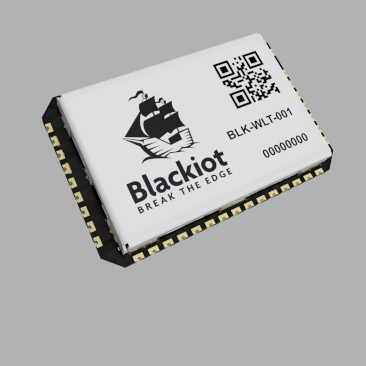
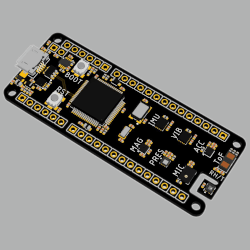
LoRa-compatible LPWAN SOM on STM32WL. Long-range, battery-powered reference design.
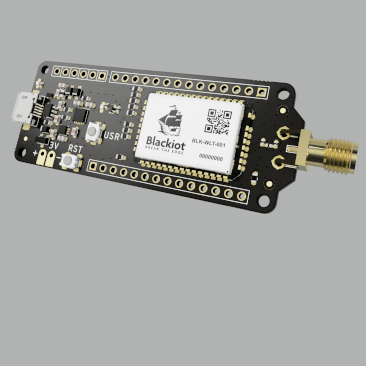
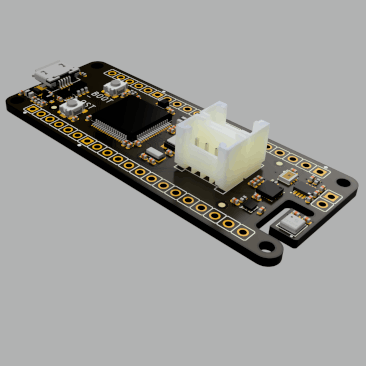
MKR-form evaluation carrier for Vallarta.
Sub-GHz LPWAN platform on STM32L0 + S2-LP. Multi-year battery life and ultra-long range.
MKR-form evaluation carrier for BlackMoon. Sub-GHz, Sigfox and 6LoWPAN.
Open-source environmental sensing platform on ESP32-S3 with Bosch BMV080 (PM2.5) and BME690.
8-sensor STMicroelectronics evaluation reference with sensor-fusion carrier.
Bosch Sensortec multi-sensor reference (BME688, BHI160B, BMM150, TCS34725) on STM32L4.
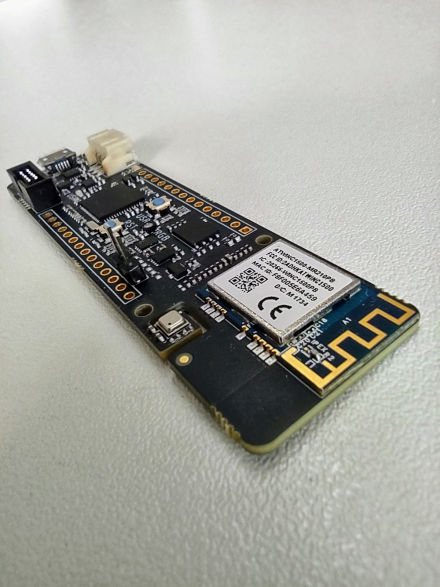
WiFi reference on Microchip ATSAMD21 with ATWINC1500 and ATECC608B CryptoAuthentication.
AI-ready 8-sensor platform with WiFi / BLE 5.0 on STM32L4R9 at 120 MHz. Open-source hardware.
Six disciplines, one engagement. We take your current product from "non-compliant" to "placed on the EU market under a signed Declaration of Conformity" — without re-inventing what already works.
Technical audit against Annex I Section 1 (product cybersecurity) and Section 2 (vulnerability handling). Risk-assessment report, classification against Annex III / IV, concrete remediation backlog.
Hardware and firmware rework to introduce root of trust, secure boot, signed firmware, cryptographic services, TRNG, interface hardening, secure update path — engineered to fit within your existing BOM and industrial design.
Machine-readable SBOM (SPDX / CycloneDX), PSIRT workflow, coordinated-disclosure policy, 24 h / 72 h / 14 d reporting plumbing to ENISA and national CSIRTs, declared support-period governance.
Technical file preparation, Declaration of Conformity, CE affixation, and Notified Body liaison for Annex III Important and Annex IV Critical classes. We stand up the evidence chain regulators ask for.
IPC Class 3 high-reliability design — IPC-A-610 Class 3 acceptability, IPC-6012 Class 3/A rigid PCB, J-STD-001 Class 3 soldering, IPC-2221 generic design — for products with long service life and demanding environments.
DFM and DFT, test fixtures, volume introduction, and supply-chain due diligence (Article 13) — including third-party component traceability so your SBOM holds up over the product lifecycle.
Every sector below has products with digital elements that fall under the CRA. We bring domain-specific redesign patterns and certification fluency to each.
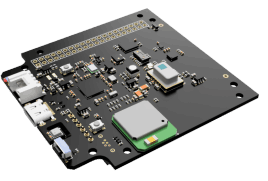
Avionics, sensor suites, ground support equipment. IPC Class 3, extended thermal range, conformal coating, 15+ year lifecycles.
Mission-critical electronics for land, sea, and air platforms. Cybersecurity hardening, tamper-evidence, controlled-supply components.
PLCs, gateways, connected sensors, automation controllers — all within CRA scope and the Machinery Regulation 2023/1230.
Smart home, wearables, connected appliances. Default CRA class — Self-Assessment with Annex I full compliance.
MDR / IVDR digital elements — CRA overlays cybersecurity requirements on already-regulated products. Dual-compliance redesign.
Smart metering, EV charging, building automation — Annex III Important class. Notified Body pathway.
Our PCB design practice holds documented IPC training — including Military and Aerospace — and operates to IPC Class 3 acceptability. Every redesign is backed by named credentials and a traceable process.
We source from vendors whose cryptographic services, long-term support commitments, and documented supply chains make CRA-ready designs possible.
We start every engagement with a 60-minute working call and a written technical scope. No pitch deck — an engineering conversation with your electronics team.